6 Travel Budget Planner Options to Plan Your Trip Without Overspending
Planning a trip is exciting right up until the expenses start adding up. Flights, accommodation, food, transportation, activities, and those little purchases you never thought about can turn an affordable getaway into a surprisingly expensive one.
That’s where a travel budget planner can make a real difference. Instead of treating the budget as something you check after the trip, you can use it while planning — deciding what you can afford, tracking expected costs, and keeping spending under control once you’re away.
I looked at these six options with that idea in mind. They’re not all traditional budget spreadsheets. Some combine budgeting with complete travel planning, while others focus almost entirely on recording trip expenses. A couple are designed for specific years, and there are also digital-first options for people who prefer interactive planning.
Here’s how I’d separate them.
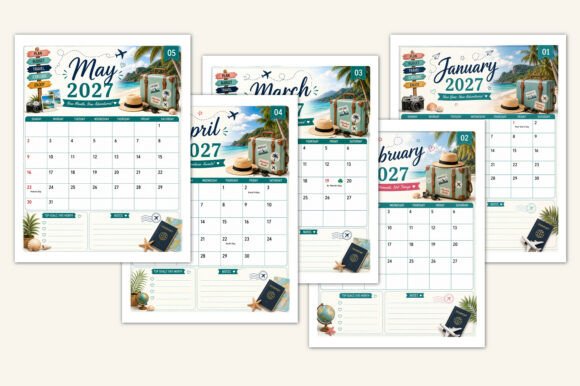
1. The 2027 Trip Budget Planner — Best for a Dedicated Travel Budget
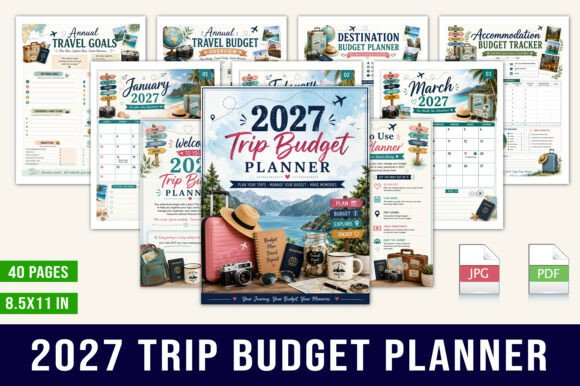
If the main thing you want to organize is the money side of your trip, this is where I’d start.
The product is specifically positioned as a 2027 trip budget planner, making it more focused than a general travel journal or itinerary organizer. That narrow purpose can actually be an advantage: instead of being distracted by dozens of travel-planning pages, you can concentrate on the costs associated with the trip.
I particularly like dedicated travel budget formats for trips where expenses can vary significantly. A weekend city break and a two-week international vacation have very different financial requirements, and having a specific place to work through the numbers makes it easier to spot the expensive parts before booking anything.
Because this is a 2027 product, I’d pay attention to the year before choosing it. If your trip is planned for 2027, the dated format can be convenient; if you’re traveling later, an undated alternative may be more flexible.
For me, this is the budget-first option in the collection.
2. 2027 Travel Planner — For Budgeting as Part of the Bigger Trip
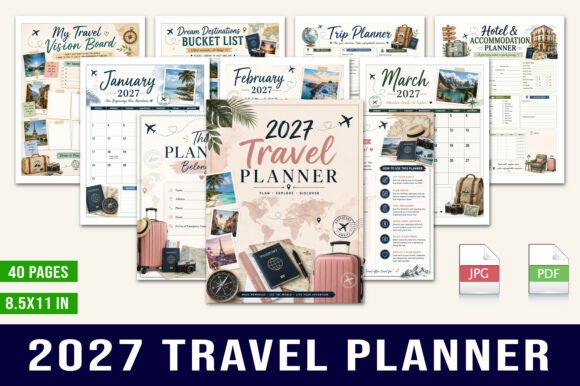
Sometimes your travel budget doesn’t exist in isolation. You need to know how much you’re spending because you’re simultaneously planning flights, accommodation, activities, packing, and your itinerary.
That’s where a broader travel budget planner can be more useful than a standalone budget tracker.
This 2027 option is designed around organizing the trip as a whole rather than focusing exclusively on finances. I’d consider it if you want your travel planning system to bring different parts of the journey together instead of maintaining separate notebooks or files.
The key advantage is context. A hotel isn’t simply an expense — it’s part of your itinerary. A restaurant budget depends on where you’re staying. Activities affect both your schedule and your spending.
I find that thinking about the trip this way makes budgeting more realistic. Rather than creating an arbitrary number for “food” or “activities,” you can build your financial expectations around the actual trip you’re planning.
The obvious consideration is the 2027 date. For a 2027 vacation, it makes sense; for a trip without a fixed year, I’d look at the more flexible options below.
3. Travel Budget Planner Printable Digital — Best for Flexible Use
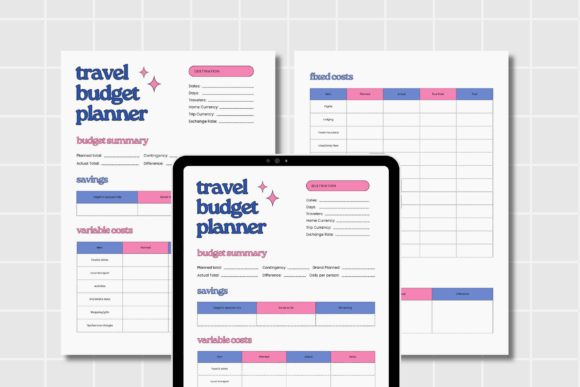
This is the option I’d look at if you don’t want your travel budget tied to a particular year.
The combination of printable and digital use is particularly useful because travel planning often happens in several different places. You might research flights on your laptop, make notes on your tablet, and want a physical copy of important information while traveling.
A flexible travel budget planner can also be reused for different trips rather than becoming obsolete when the calendar changes.
I’d use this type of planner before booking the major parts of a vacation. Start with your overall spending limit, work out the big fixed costs, and then estimate flexible categories such as food and activities.
That approach gives you something more useful than a single total: it shows you where your travel money is going.
For someone who likes the physical feel of paper but doesn’t want to give up digital convenience, this is probably one of the more versatile options in the group.
4. Vacation Planner Travel Journal — For the Traveler Who Wants More Than Numbers
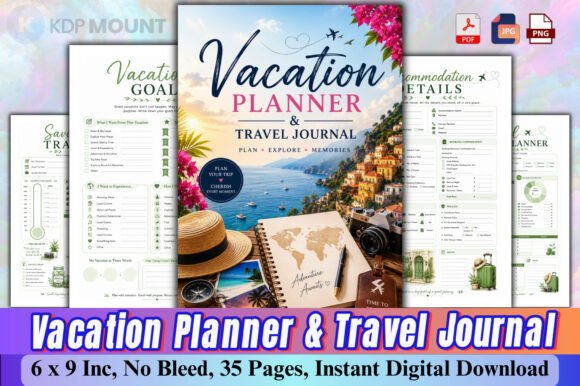
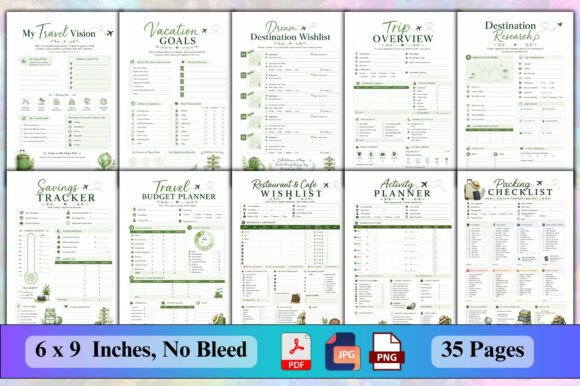
A budget is important, but it isn’t the only thing worth organizing before a vacation.
This travel journal takes a broader approach, making it more suitable if you want your planning tool to cover the overall travel experience rather than functioning purely as a financial tracker.
That’s a useful distinction. A dedicated travel budget planner answers questions like “Can I afford this trip?” A travel journal or broader planner can help answer “What exactly am I doing when I get there?”
I would consider this type of option when your trip involves several destinations, activities, reservations, or other details that you want to keep together.
It also makes sense if you enjoy documenting travel rather than treating planning as a purely administrative task. For some people, the planning process is part of the fun, and a journal-style format can make it feel more personal.
If your only concern is controlling spending, I’d choose a more focused budget option. But if you want budgeting and the experience of planning the trip itself to live together, this is more appealing.
5. Travel Budget Log Book Planner Tracker — Best for Recording Actual Spending
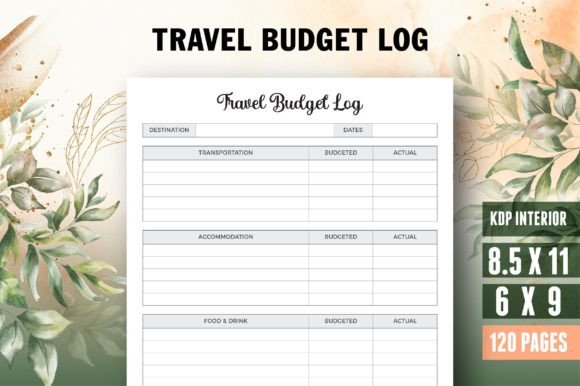
There’s an important difference between planning a travel budget and tracking a travel budget.
Before a trip, you’re working with estimates. Once you start traveling, you’re dealing with actual numbers. Your hotel may cost exactly what you expected, but lunch might be twice as expensive, an unexpected taxi appears, or you decide to spend more on an activity.
That’s where a travel budget log book becomes useful.
This option is specifically positioned around budgeting, logging, planning, and tracking travel expenses. I’d consider it for someone who wants to keep a running record of what they’re actually spending throughout the trip.
For me, the biggest benefit of tracking expenses while traveling is awareness. You don’t have to obsessively calculate every purchase, but recording spending regularly can prevent the classic vacation problem of reaching the final few days and realizing that far more money has disappeared than expected.
I’d pair a tool like this with a pre-trip budget if you’re planning a longer or more expensive vacation.
6. Interactive Travel Planner Budget Tool — For Digital-First Planning
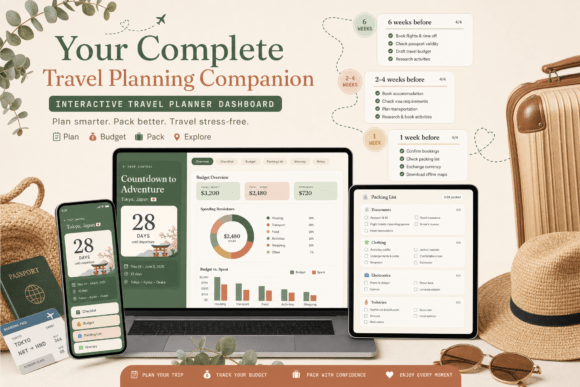
If you prefer working digitally and want something more interactive than a traditional printable planner, this is the option I’d investigate.
The name itself highlights the two things that matter here: travel planning and budgeting. That combination can be particularly useful when your itinerary and spending plan influence one another.
For example, adding an extra activity isn’t just a scheduling decision. It changes the trip budget. Choosing a more expensive hotel may reduce how much you want to spend on dining or entertainment. A digital planning system can make it easier to keep those decisions connected.
I think this approach works particularly well for people who already organize their life digitally and don’t want to carry a paper planner through the entire planning process.
It’s also worth considering if you’re comfortable with interactive tools and prefer editing information on a screen rather than writing everything down.
Which Travel Budget Planner Should You Choose?
The easiest way to choose between these six options is to decide when and how you want to use your budget.
If you’re planning a 2027 trip and want a budget-first system, The 2027 Trip Budget Planner is the most obvious starting point.
If you want to organize the entire trip rather than just its finances, the 2027 Travel Planner or Vacation Planner Travel Journal makes more sense. You’re getting a broader planning perspective instead of focusing exclusively on costs.
For flexibility across different trips, I’d look at the Travel Budget Planner Printable Digital. Not being tied to a particular year can be valuable if you travel at different times or want to reuse your planning system.
Then there’s the distinction between estimated and actual spending. The Travel Budget Log Book Planner Tracker is particularly relevant once you want to record what you’re really spending, while an interactive budget tool can make sense if your entire planning process happens digitally.
One approach I particularly recommend is using the budget in two stages:
Before the trip: estimate the major costs and set realistic spending limits.
During the trip: record actual expenses and compare them with those limits.
That gives your budget a job before and during the vacation instead of turning it into something you only look at afterward.
A Simple Way to Build Your Travel Budget
You don’t need a complicated financial system to get useful information from a travel budget.
I’d start with the expenses that are easiest to predict:
- Flights or other transportation
- Accommodation
- Travel insurance
- Visas or entry fees, if applicable
- Pre-booked activities
- Car rental or local transportation
Then add the categories that are more flexible:
- Food and drinks
- Attractions
- Shopping
- Entertainment
- Local transportation
- Miscellaneous spending
Finally, leave yourself a buffer for unexpected expenses.
That last category is easy to forget. A budget that allocates every last dollar to planned spending can look impressively precise but leave you with no room when something inevitably costs more than expected.
You may also like:
5 Comfortable Printable Budget Planner Templates to Organize Your Money
11 Monthly Budget Planner Options to Take Control of Your Money